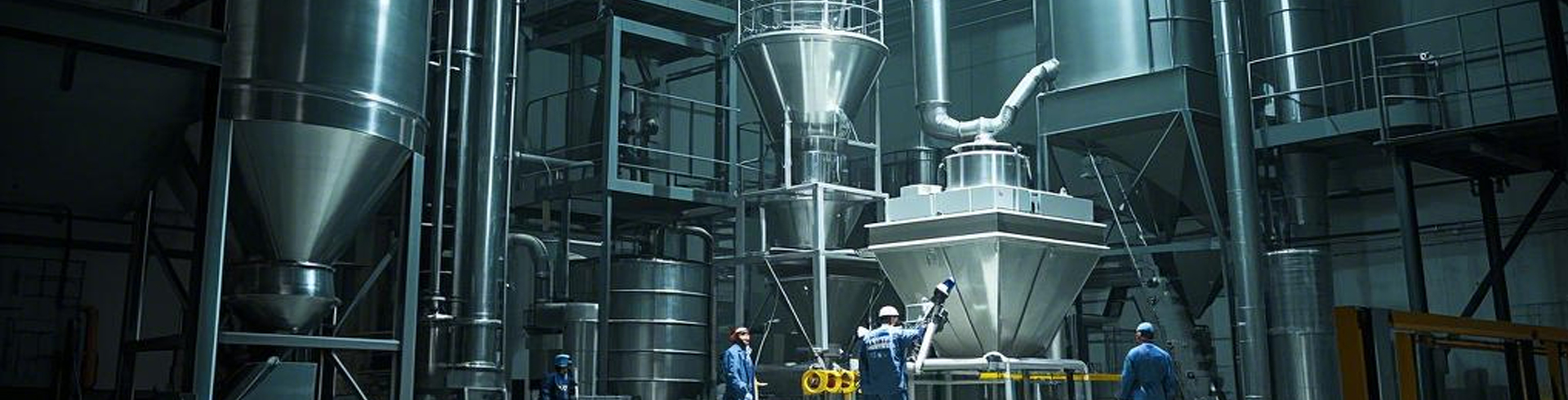
In industries where powders and granules are handled, dust is more than just a nuisance—it's a significant risk to product quality, operational safety, and regulatory compliance. Whether you're in pharmaceuticals, food, chemicals, or lithium battery production, selecting the right Dust-Free Unloading Station is a critical decision.
A well-chosen system safeguards your process, while the wrong one can lead to costly downtime, contamination, and safety hazards. This guide will walk you through the five essential factors to consider, ensuring you make an informed investment that pays off for years to come.
Key Factors for Selecting Your Ideal Dust-Free Unloading Station
1. Define Your Material Characteristics
The properties of the material you are handling are the most important starting point. The station must be engineered to match your specific powder or granule.
Flowability: Does it flow freely like plastic pellets, or is it cohesive and prone to clumping like titanium dioxide?
Abrasiveness: Highly abrasive materials (e.g., certain minerals) require wear-resistant components.
Hygiene & Reactivity: Is the material food-grade, pharmaceutical-grade, toxic, or explosive? This dictates the required material of construction and safety features.
Dustiness: The dust level will determine the power and efficiency of the integrated dust collection system.
2. Evaluate the Level of Containment Required
Containment is the core purpose of a dust-free unloading station. The required level depends directly on your material's potency and industry regulations.
Standard Protection: For non-hazardous materials, a system with well-sealed connections and a simple dust filter may suffice.
High-Level Containment: For toxic, hazardous, or highly potent compounds (e.g., APIs in pharma), look for features that prevent operator exposure during both operation and maintenance. This includes glove ports for safe bag slitting, continuous liner systems for zero-dust discharge, and magnetic seals.
3. Prioritize Hygiene and Cleanability
In GMP-regulated environments like food and pharmaceuticals, the ability to clean the station thoroughly and quickly is non-negotiable.
Surface Finish: Polished stainless steel (e.g., #304 or #316L) with a specific Ra (surface roughness) value is essential to prevent bacterial harborage and allow for easy cleaning.
Clean-in-Place (CIP) & Wash-in-Place (WIP): For the highest hygiene standards, choose a station designed with integrated spray balls for automated cleaning and sterilization without disassembly.
Modular Design: A modular structure allows for easy disassembly of key components for manual cleaning or maintenance, drastically reducing downtime.
4. Consider Integration with Your Existing Process
The unloading station is not an island. It must connect seamlessly to the next step in your process.
Inlet & Outlet Connections: Ensure the flange sizes and types match your upstream (bag/container) and downstream (silo, mixer, screener) equipment.
Footprint & Access: Verify the physical dimensions fit your available space and that operators have safe and easy access for loading bags.
Control System Integration: Can the station's PLC communicate with your plant's central control system? Look for modern interfaces that support this.
5. Look Beyond the Price Tag: Total Cost of Ownership (TCO)
The initial purchase price is only part of the story. A cheaper, poorly designed station can become the most expensive asset on your floor due to ongoing costs.
Energy Consumption: Consider the efficiency of the vacuum pump and dust collector.
Filter Replacement: How easy and costly is it to replace filter elements? Long-life filters can offer significant savings.
Ease of Maintenance & Service Support: Removable safety grids and accessible components make routine maintenance faster and safer. Choose a supplier with a proven track record of reliable technical support and spare parts availability.
Operational Efficiency: A system that unloads faster and with less manual intervention improves your overall throughput and reduces labor costs.
Application Spotlight: Where is it Essential?
A Dust-Free Unloading Station is particularly critical for:
Pharmaceuticals: Handling Active Pharmaceutical Ingredients (APIs) and potent compounds.
Food & Nutraceuticals: Protecting product purity and preventing cross-contamination with allergens.
Chemicals: Managing toxic, corrosive, or reactive powders.
Battery Production: Ensuring the purity of anode/cathode powders in lithium-ion battery manufacturing.
Conclusion: An Investment in Safety and Quality
Choosing the right Dust-Free Unloading Station is a strategic decision that impacts your bottom line, your regulatory standing, and most importantly, the safety of your operators. By systematically evaluating your material, containment needs, hygiene standards, and integration requirements, you can select a robust and efficient system that becomes a cornerstone of your quality assurance program.
Ready to find the perfect solution for your facility? [Contact our engineering experts today for a free, no-obligation consultation and system recommendation.]